


Education has made important progress in recognising that students do not all think, learn, or communicate in the same way. Neurodiversity includes conditions such as dyslexia, dyscalculia, dyspraxia, ADHD, autism, and Tourette's syndrome, and reflects natural variation in how people process information and experience the world.
These differences are not problems to be fixed. They are part of the diversity of human thinking. Yet many learning environments still rely on a narrow model: long lectures, dense reading, and fixed schedules. While this works for some learners, it can create barriers for others.
Recognising and celebrating neurodiversity is central to building more inclusive education
This is where AI-supported educational technology can make a practical difference. Platforms such as StudyStash are part of a broader shift toward learning environments that adapt to different ways of thinking, rather than expecting every student to learn in the same way.
Why Flexibility Matters
Neurodiverse learners often bring significant strengths to education, including creativity, pattern recognition, problem solving, and deep focus on subjects that interest them. The difficulty is rarely capability. More often, it comes from the way learning is structured.
Traditional teaching methods can present large amounts of information at once and may limit opportunities to revisit explanations or approach material in alternative ways. AI-supported tools offer an alternative by adapting the learning process to suit individual needs, helping students engage with content in ways that work for them.
Building Confidence Through Independent Learning
Confidence plays a major role in participation. For some neurodiverse students, previous academic struggles or fear of falling behind peers can make it harder to ask questions or contribute in class.
Digital study tools can provide a quieter space to work through material. Students can revisit explanations, practise skills, and explore ideas privately, without the immediate pressure of classroom participation. Working at their own pace often encourages experimentation and persistence.
Personalised Learning and Cognitive Load
One of the most promising aspects of AI in education is personalisation. Instead of presenting information in a single format, AI-supported platforms can adjust pacing, difficulty, and how explanations are delivered.
The aim is not to oversimplify learning, but to make complex ideas easier to engage with. For example, learners with ADHD may benefit from shorter, structured study segments that support sustained focus. Learners with dyslexia may benefit from clearer summaries, structured notes, or audio support alongside written text.
These approaches align with Universal Design for Learning principles, which promote multiple ways for students to access and engage with information.
Supporting Organisation and Task Management
Many neurodiverse learners also experience challenges with executive functioning, including organising work, planning tasks, and managing deadlines. Coursework can quickly feel overwhelming when the steps involved are unclear.
AI-supported platforms can reduce this pressure by breaking tasks into smaller stages and providing tools such as reminders, structured study plans, and prioritisation guidance. This helps students focus on one step at a time, rather than feeling blocked by the full task.
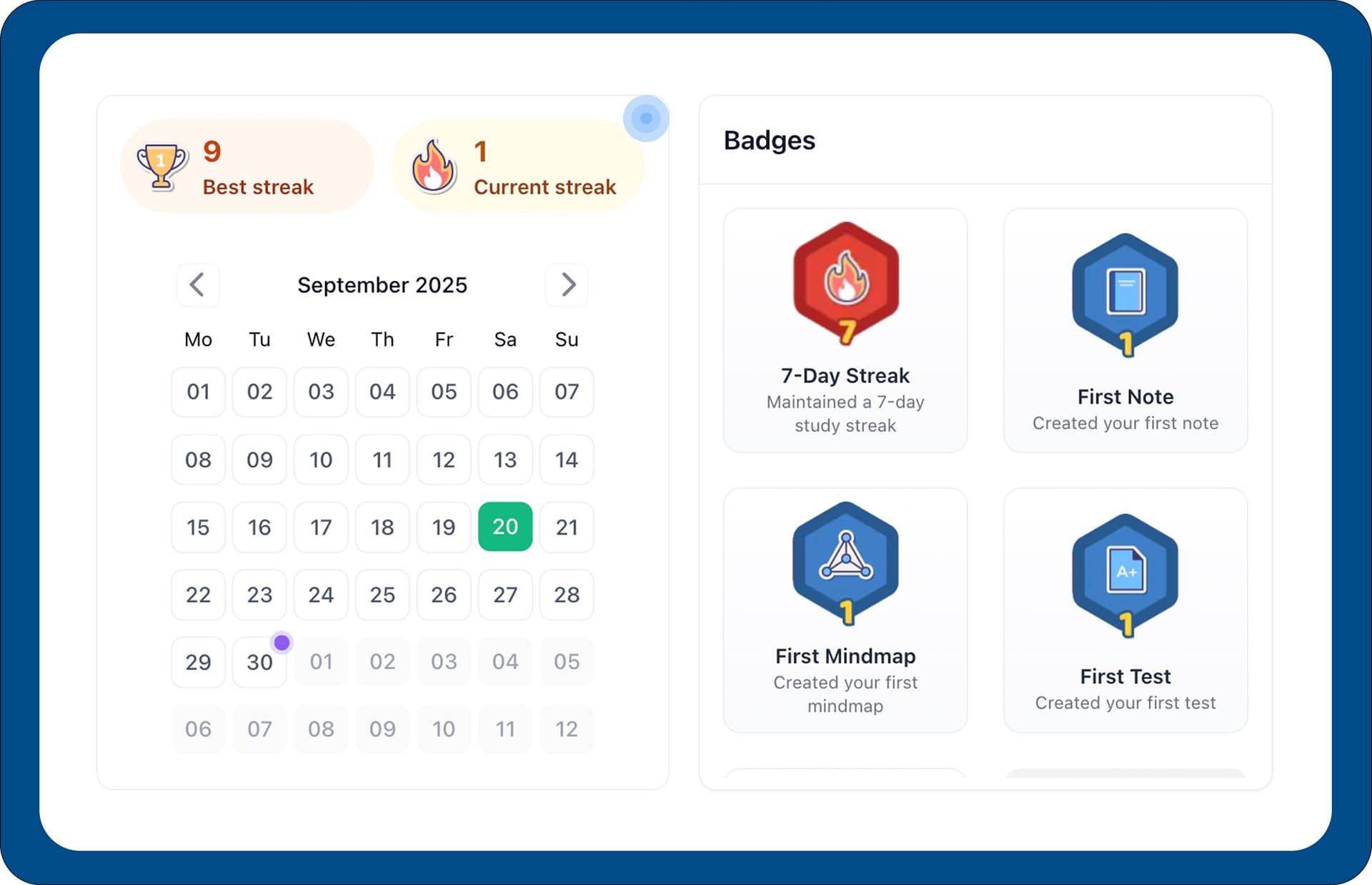
Structured planning tools can make study routines clearer and easier to sustain.
Learning Through Immediate Feedback
Timely feedback is one of the strongest drivers of learning, yet in traditional settings students may wait days or weeks to receive it. AI-supported platforms can respond much more quickly.
For learners who may have experienced frustration in the past, seeing steady progress can be especially motivating.
What Students Are Telling Us
Student feedback regularly highlights how meaningful small changes in learning design can be. One undergraduate student shared that using a structured study platform helped reduce burnout during demanding coursework periods. An MBA student described finding long reading lists difficult to sustain, but reported that shorter, structured segments improved engagement.
Sometimes relatively small changes in how learning is structured can make a significant difference.
Looking Ahead
Supporting neurodiverse learners is not simply about accommodation. It is about recognising that people think and learn in different ways, and designing education systems that reflect that reality.
AI-powered educational tools are not a complete solution, but they offer a strong opportunity to create learning environments that are more flexible, responsive, and inclusive. When education works better for neurodiverse students, it usually improves the experience for everyone.